Pioneer woman all shortening pie crust is an easy homemade dough made with vegetable shortening, flour and a splash of vinegar, ready in 45 minutes. And that makes it a solid pick for Thanksgiving pies, Christmas desserts or any weekend baking session, since this recipe yields two crusts at once.
Cutting shortening into flour to a coarse-meal texture is the step that makes or breaks the dough, because those small fat pockets create flaky layers. But over-mix until the fat blends in fully, and you end up with a crust that bakes dense and tough.
Ree’s version uses all shortening with vinegar and egg instead of the usual butter blend, which makes the dough more tender and forgiving to roll. And it freezes better than butter-based doughs, since the shortening stays firm and the layers come out even flakier after thawing.
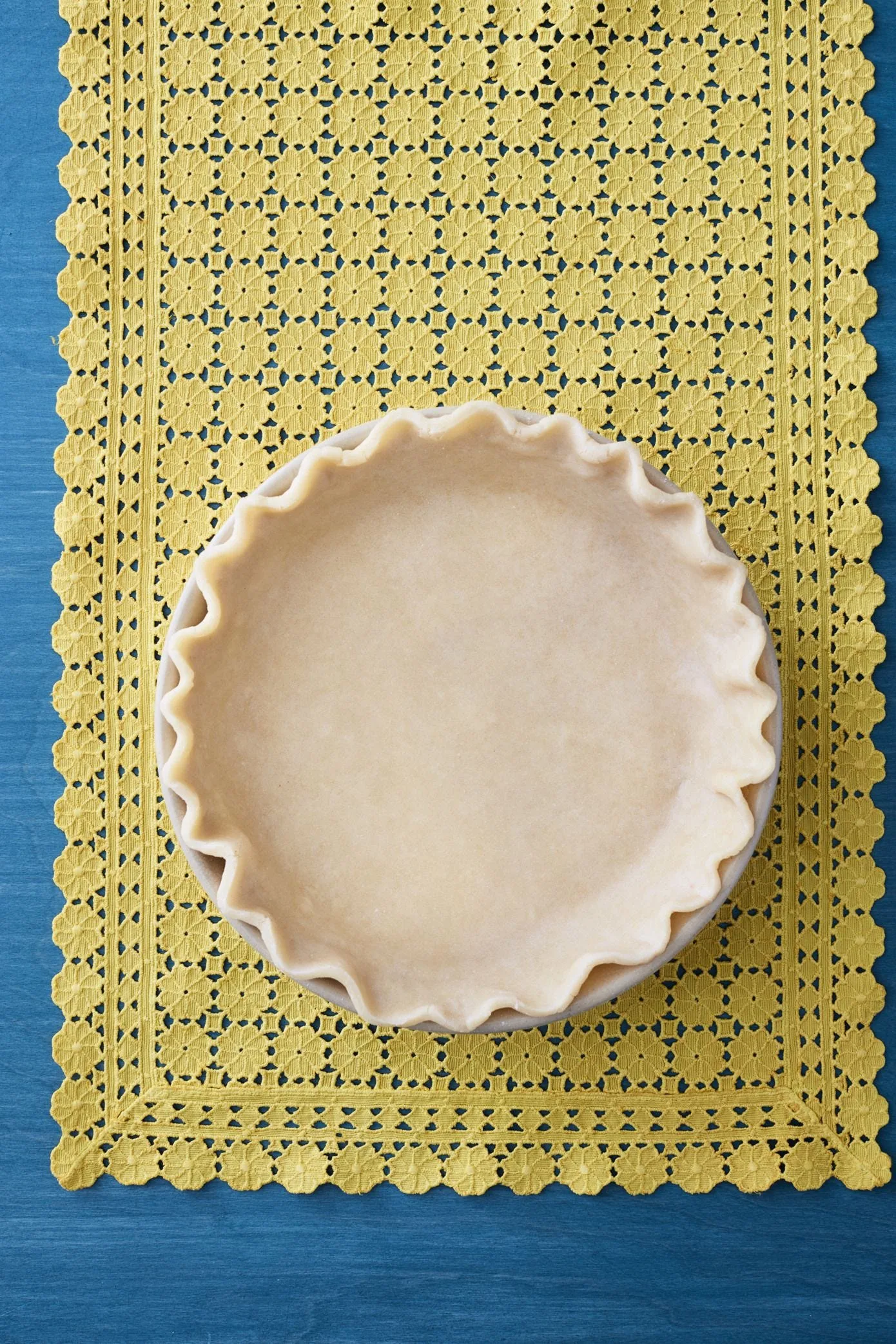
Pioneer Woman All Shortening Pie Crust
Course: DessertCuisine: AmericanDifficulty: Medium2
servings45
minutes2080
kcalA tender, flaky crust made by cutting cold shortening into flour, then binding it with egg, ice water and vinegar. Once chilled, the fat firms up and the dough rolls out with no fuss.
Ingredients
1 1/2 c. vegetable shortening
3 c. all-purpose flour, plus more for dusting
1 large egg
4 tbsp. ice water
1 tbsp. distilled white vinegar
1 tsp. kosher salt
Directions
- Cut the shortening: In a large bowl, use a pastry cutter to work shortening into flour until it resembles coarse meal, which takes about 3 to 4 minutes.
- Mix the wet ingredients: Beat the egg in a small bowl with a fork, then pour it into the flour mixture with the ice water, vinegar and salt. Once everything is in the bowl, stir gently until the dough holds together when pinched.
- Shape and chill: Divide the dough into 2 equal pieces and form them into balls, then place each ball in a 1-gallon zip-top plastic bag without sealing it. Then flatten each ball into a disk about 1/2 inch thick with a rolling pin, seal the bags and freeze for 25 to 30 minutes.
- Roll the dough: Remove the chilled dough from the freezer, then roll it on a generously floured surface from the center outward. While rolling, add flour on top if the dough feels too moist. Once it sticks, scrape it loose with a metal spatula, flip and keep rolling until it is about 2 inches larger than your pie plate.
- Fit the crust: Lift the dough into the pie plate with a spatula or rolling pin, then let it settle without pressing or stretching so it won’t shrink. Then trim the excess to a 1-inch overhang and tuck the dough under itself before crimping or fluting the edge as your recipe specifies.
FAQs
Can I use lard or coconut oil instead of shortening?
Lard works as a straight swap and gives an even flakier texture, though it adds a savory taste not everyone likes in sweet pies. But coconut oil is trickier because it melts at a lower temperature, so keep the dough cold and work fast or it turns greasy.
How long does the unbaked dough last in the freezer?
The dough keeps for up to 3 months in a sealed bag, and it rolls out fine after thawing for about 15 minutes. After that it can start picking up freezer flavors, so I label each bag with the date to keep track.
Can I make the dough a day ahead and keep it in the fridge?
Keeping the dough in the fridge overnight works well, and it makes rolling easier because the fat firms up during that time. Then wrap the disk tightly in plastic so it doesn’t dry out, and let it sit a few minutes at room temperature before rolling.
Do I need to blind bake this crust before filling it?
That depends on the pie, since custard and cream pies need a pre-baked shell so the bottom doesn’t turn soggy. But for fruit pies and anything with a top crust, you can fill the raw dough and bake everything together.
Why did my shortening pie crust turn out tough?
The most common reason is over-mixing, because too much stirring develops gluten and turns the crust chewy instead of tender. But a warm kitchen causes problems too, since the shortening melts into the flour and you lose the fat pockets that create flaky layers.