Pioneer woman all butter pie crust is a flaky dough made with cold butter, flour and a splash of vinegar, ready in about 30 minutes. That makes it a go-to for Thanksgiving pies, Christmas baking or any weekend dessert project, since the recipe yields two crusts and freezes for months.
Keeping the butter ice cold is the one step that decides if this crust turns out flaky or tough. Once the butter warms up too early, it melts into the flour instead of creating steam pockets, so you lose those layered flakes.
A tablespoon of white vinegar in the dough keeps gluten from overdeveloping, which means you can handle it more freely without it getting tough. But most butter crust recipes skip it, so this version is more forgiving for bakers who tend to overwork their dough.
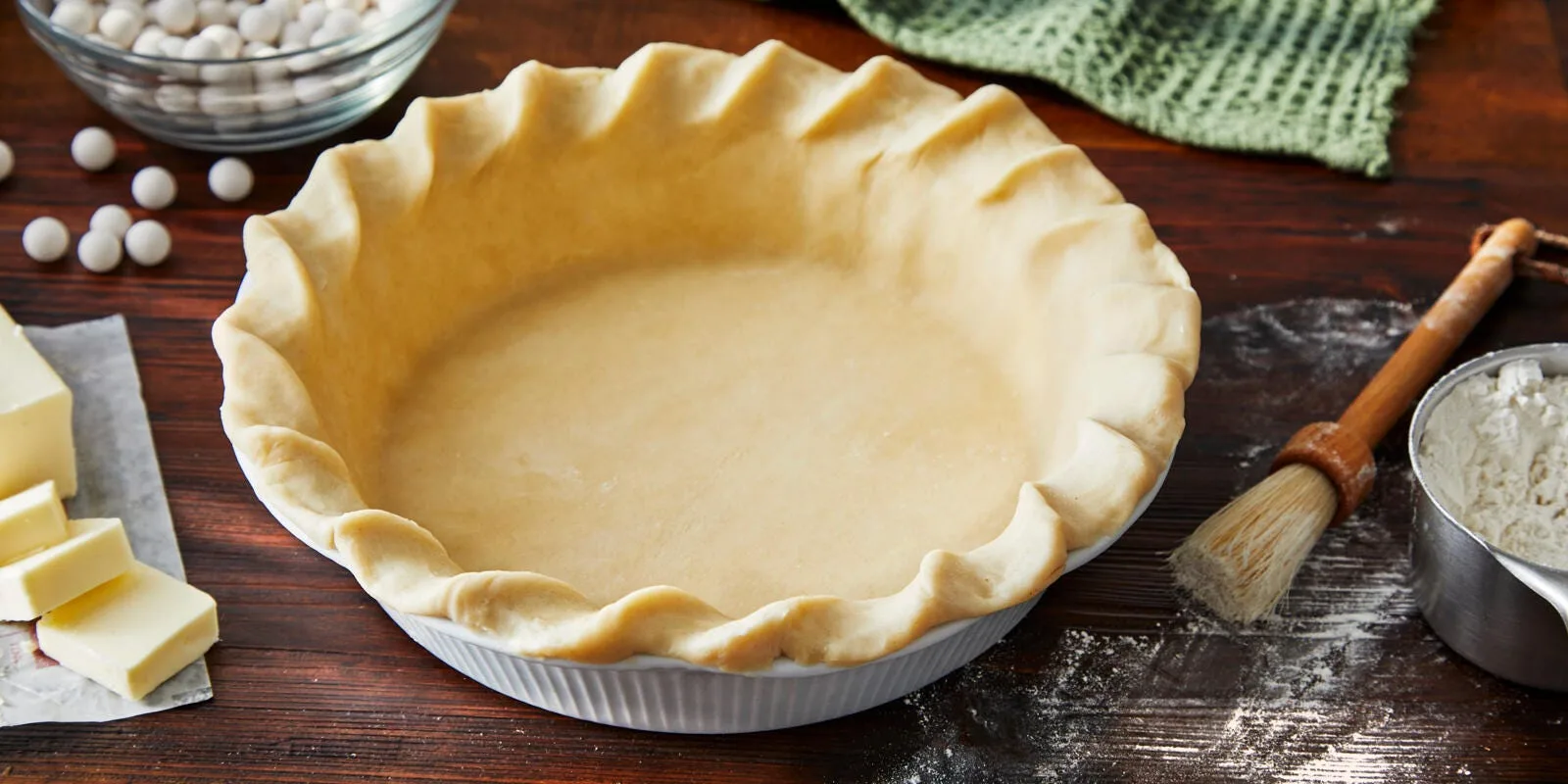
Pioneer Woman All Butter Pie Crust
Course: DessertCuisine: AmericanDifficulty: Medium2
servings30
minutes1600
kcalA five-ingredient dough that chills for two hours before rolling into a tender, layered crust with rich butter flavor in every bite.
Ingredients
1 tsp. kosher salt
3 c. all-purpose flour, plus more for the work surface
1 c. plus 2 Tbsp. (2 1/4 sticks) cold salted butter, cut into pieces
7 tbsp. ice water, plus more if necessary
1 tbsp. distilled white vinegar
Directions
- Mix the flour and butter: In a large bowl, stir the salt and 2 cups of flour together. Then add the cold butter and squeeze it into the flour with your fingers for about 5 minutes, until it forms a shaggy dough. Once the dough is shaggy, toss in the remaining 1 cup flour until just combined.
- Add the liquid: After the flour and butter are mixed, whisk the ice water and vinegar together in a small bowl. Then drizzle it over the dough and gently knead until it comes together, but add water a teaspoon at a time if it feels dry.
- Shape and chill: Once the dough holds together, divide it into 2 equal pieces, form them into balls, then place each ball in a 1-gallon zip-top plastic bag. Then use a rolling pin to flatten each ball into a 1/2-inch-thick disk before sealing the bag. After that, refrigerate for at least 2 hours or up to overnight, since the chilling firms up the butter.
- Roll out the dough: Once the dough has chilled, remove it from the fridge and roll it on a well-floured surface, starting from the center. Then loosen it with a spatula and add more flour if it sticks while you work. Once it moves freely, keep rolling until it’s about 2 inches wider than your pie plate.
- Fit the crust: After the dough is rolled out, loosen it with a spatula and lift it into a 9-inch pie plate. Then let the dough settle into the bottom and sides on its own, since pressing or stretching causes shrinking. After that, trim the excess, leaving about 1 inch of overhang all around.
- Finish the edges: Once the overhang is trimmed, crimp or flute the edges with a fork or your fingers for a single-crust pie. Then chill the shaped crust in the freezer for 15 minutes before filling if you have time, since that relaxes the gluten. But if you’re making a double-crust pie, roll out the second piece and top the filling once the bottom crust is loaded.
FAQs
Can I use unsalted butter for this pie crust?
You can swap in unsalted butter, but add an extra 1/2 teaspoon of kosher salt to make up for the missing seasoning. Once you adjust the salt, the texture and flakiness stay the same.
Do I need a food processor to make this dough?
No food processor is needed, because the recipe calls for squeezing the butter into the flour by hand. And your fingers give you better control over how much the butter breaks down, which helps you stop while pea-sized pieces remain.
Can I roll out the dough right away without chilling it?
Skipping the chill makes the dough sticky and hard to roll, since the butter is too soft to hold its shape. But two hours in the fridge firms up the fat and relaxes the gluten, so the crust rolls smoothly when you transfer it.
How thin should I roll the dough before fitting it into the pie plate?
Roll it out until it’s about 2 inches wider than your pie plate on all sides, which gives you enough overhang to tuck and crimp. But going too thin makes the crust crack when you lift it, so aim for about 1/8 inch thick.
What went wrong if my pie crust came out tough instead of flaky?
The most common cause is handling the dough too much, because excess kneading builds up gluten and turns the crust chewy. So stop mixing as soon as it holds together, and keep the butter cold throughout, since those two habits keep things tender.